Germany is one of the most sophisticated and strictly regulated jurisdictions in the EU for crypto businesses. With the implementation of MiCA (Markets in Crypto-Assets Regulation) from 30 December 2024, crypto companies must now obtain a Crypto-Asset Service Provider (CASP) licence to operate legally. In Germany, licensing and supervision are carried out by BaFin (Federal Financial Supervisory Authority), which had already introduced crypto licensing prior to MiCA under the German Banking Act (§1 KWG).
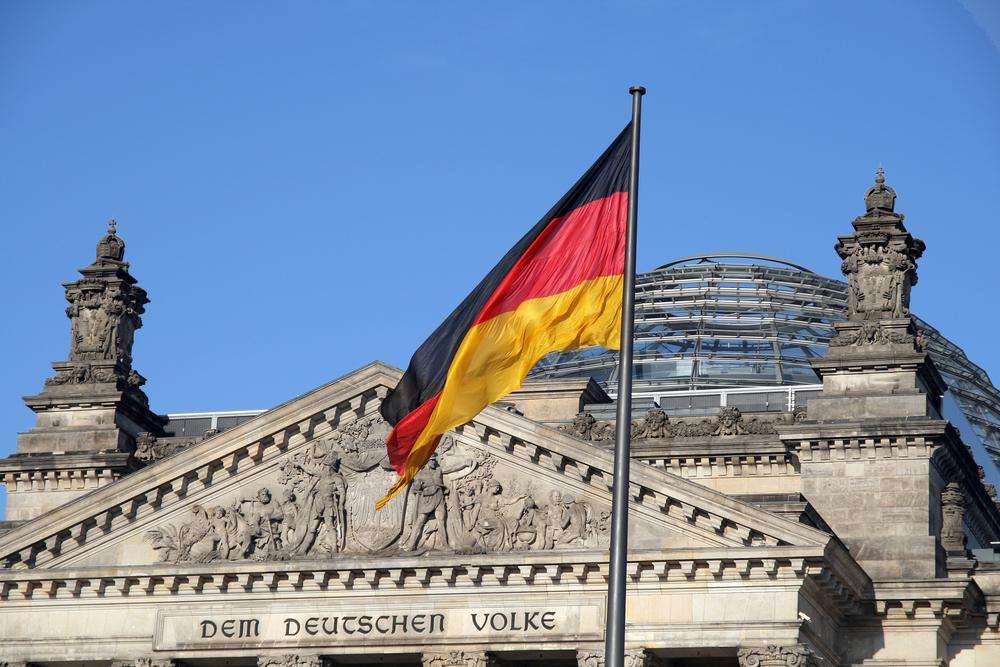
Why choose Germany?
• Large-scale market – Germany is home to one of the largest crypto user bases and fintech investment volumes in Europe
• High regulatory credibility – BaFin-issued licences signal strong compliance and long-term stability to investors and users
• EU-wide passporting – A German CASP licence grants access to all EU/EEA markets
• Strong financial infrastructure – Advanced banking, compliance, and custody providers support robust crypto operations
Activities that require a CASP licence
Under MiCA, crypto companies in Germany must be licensed to perform:
• Custody and administration of crypto-assets
• Exchange between crypto-assets and fiat currency or other crypto-assets
• Execution of client orders and transmission of crypto-related instructions
• Trading platform operations for crypto-assets
• Portfolio management and investment advice on crypto-assets
• Crypto-asset placement or marketing services
Key licensing requirements
• German legal entity – GmbH or AG (minimum share capital: €125,000–€150,000 depending on services)
• Registered office and infrastructure – Local business address and fully operational IT systems hosted in the EU
• Fit and proper management – Directors and executives must prove clean criminal records and professional expertise in finance, compliance, or crypto-related fields
• AML/CFT policies – Strict implementation of BaFin-compliant AML/KYC frameworks, including customer due diligence, EDD, transaction monitoring, and suspicious activity reporting
• Internal controls and audits – Segregation of duties, multi-layered governance, and regular compliance reviews/audits
• Outsourcing oversight – Any technical or operational outsourcing must comply with BaFin’s strict standards
BaFin & MiCA alignment
Germany was one of the first EU states to treat crypto custody as a financial service under national law. With MiCA now in force:
• BaFin will reassess existing licence holders under the MiCA framework
• New applicants must follow both MiCA’s Article 62 and BaFin’s national procedural rules
• Transitional arrangements apply for firms licensed prior to MiCA or registered under the German AML Act (GwG)
Application process & timeline
• Pre-application meeting with BaFin (recommended)
• Full documentation submission incl. AML manual, business plan, IT strategy, risk management framework, security policy
• BaFin review timeline: 6–12 months, depending on completeness and complexity
• Supervisory fees: Based on turnover and service scope
Ongoing obligations
• Annual audits, financial and compliance reports
• Real-time suspicious activity reporting to BaFin and FIU
• Five-year record retention (KYC, transactions, communications)
• Constant capital adequacy maintenance
How Demire Inc supports your launch in Germany
• Formation of GmbH or AG and initial capital planning
• Preparation of all MiCA and BaFin-compliant documentation
• Regulatory consultation and pre-application engagement with BaFin
• Setup of IT, custody, and security infrastructure
• Post-licensing support: audit readiness, supervisory reporting, governance optimisation
Unlock the full potential of the German crypto market with Demire Inc.
We’ll help you navigate Germany’s advanced regulatory environment and secure your CASP licence efficiently.
